Knife Jigs
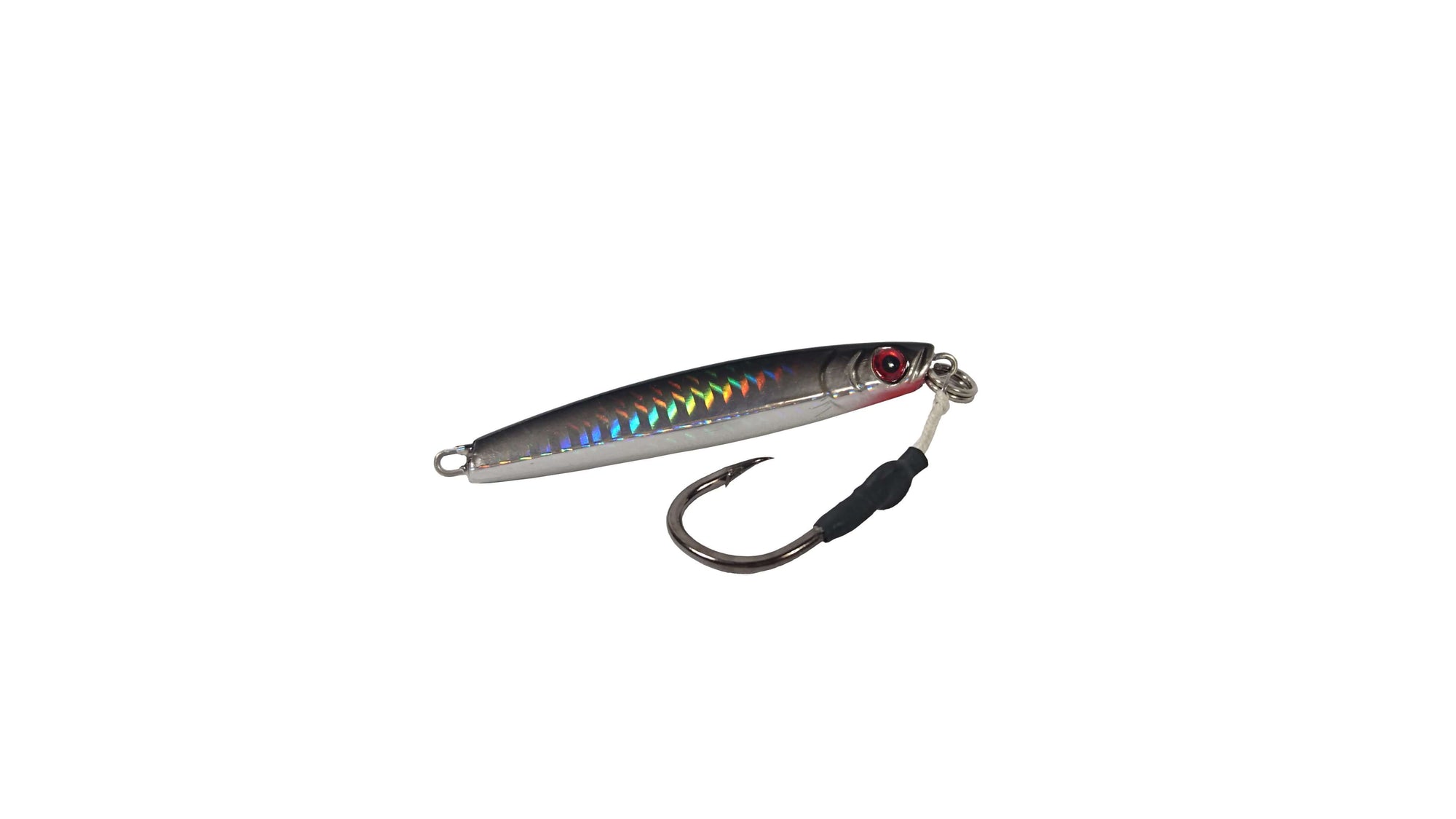
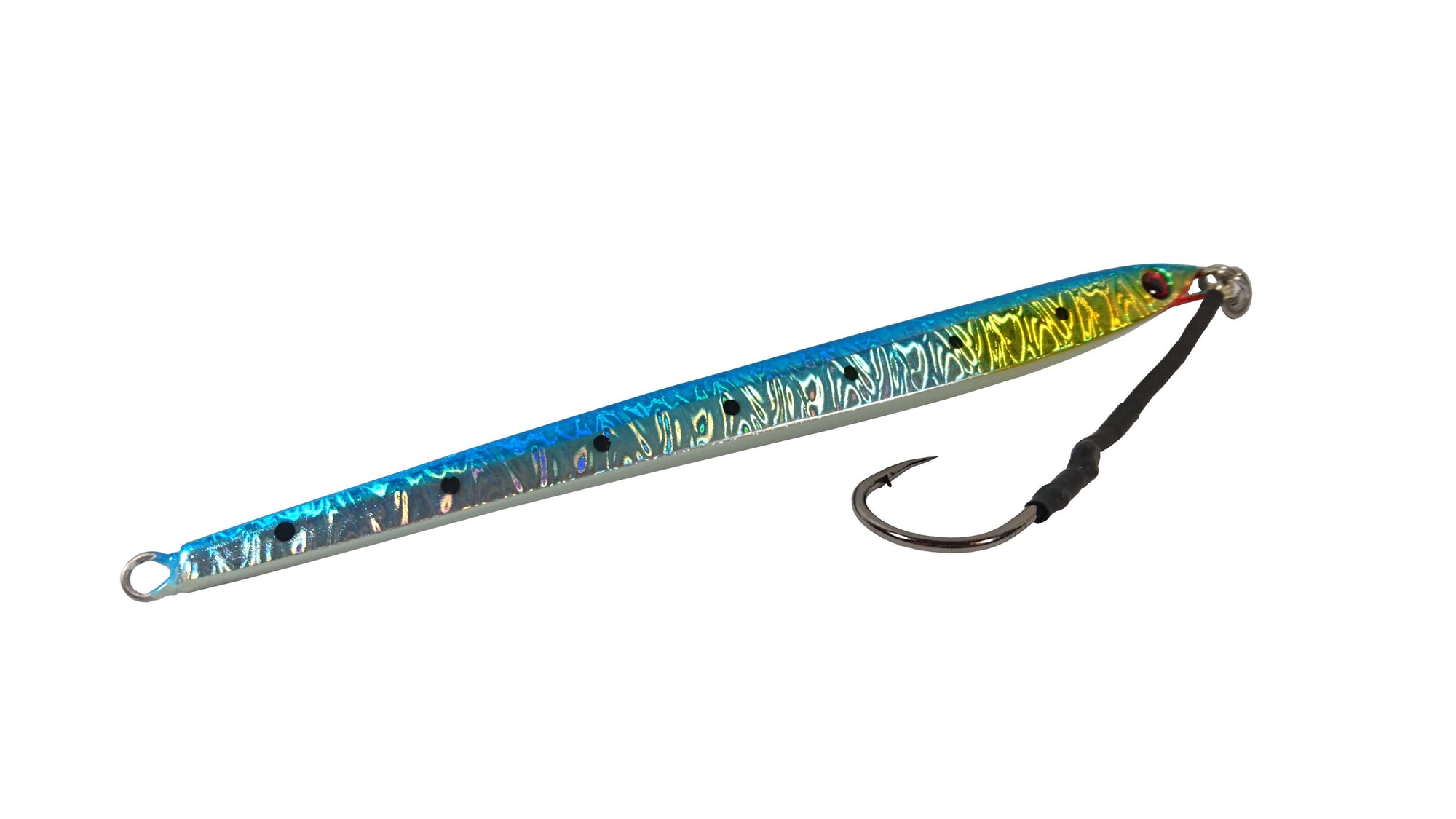
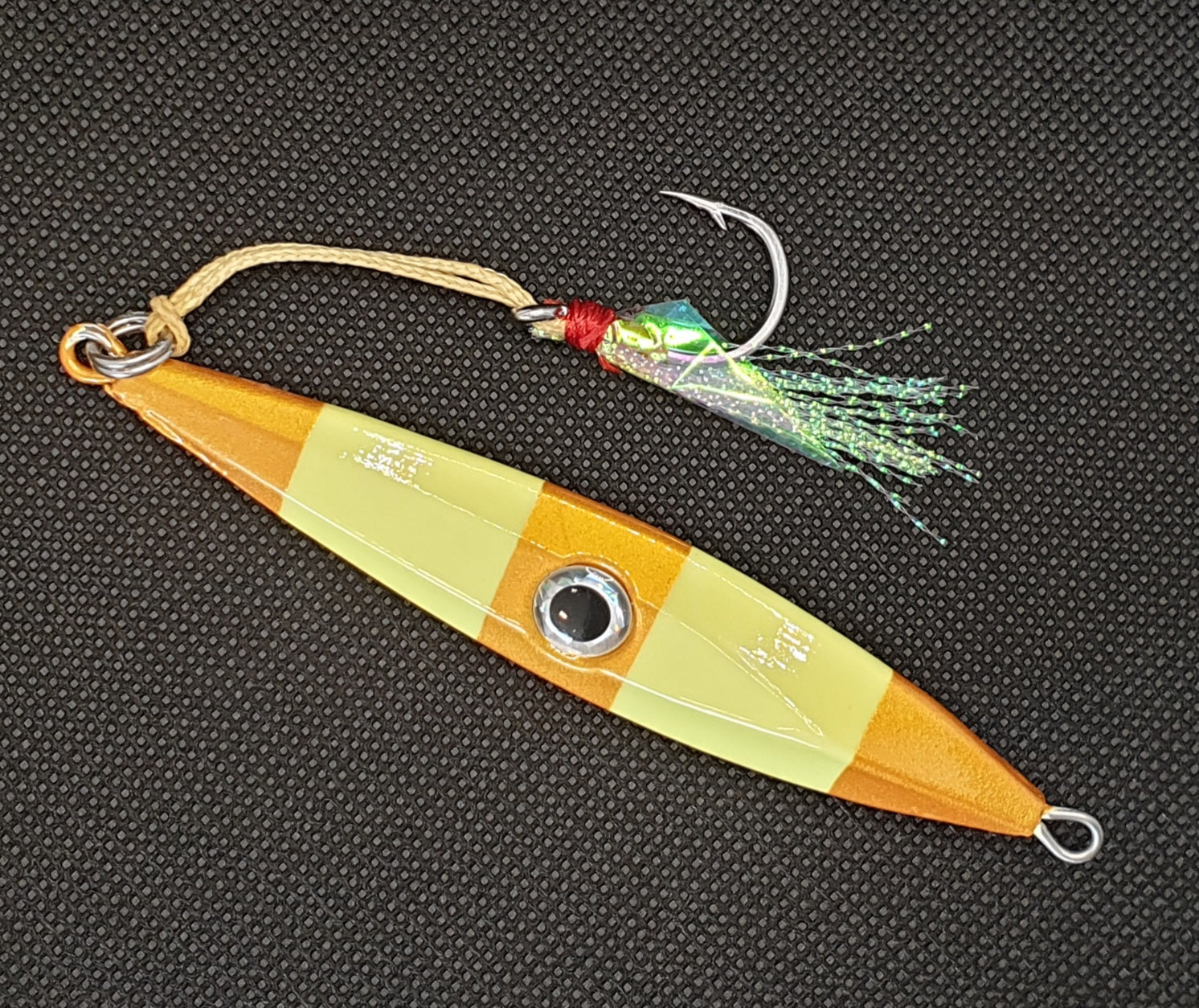
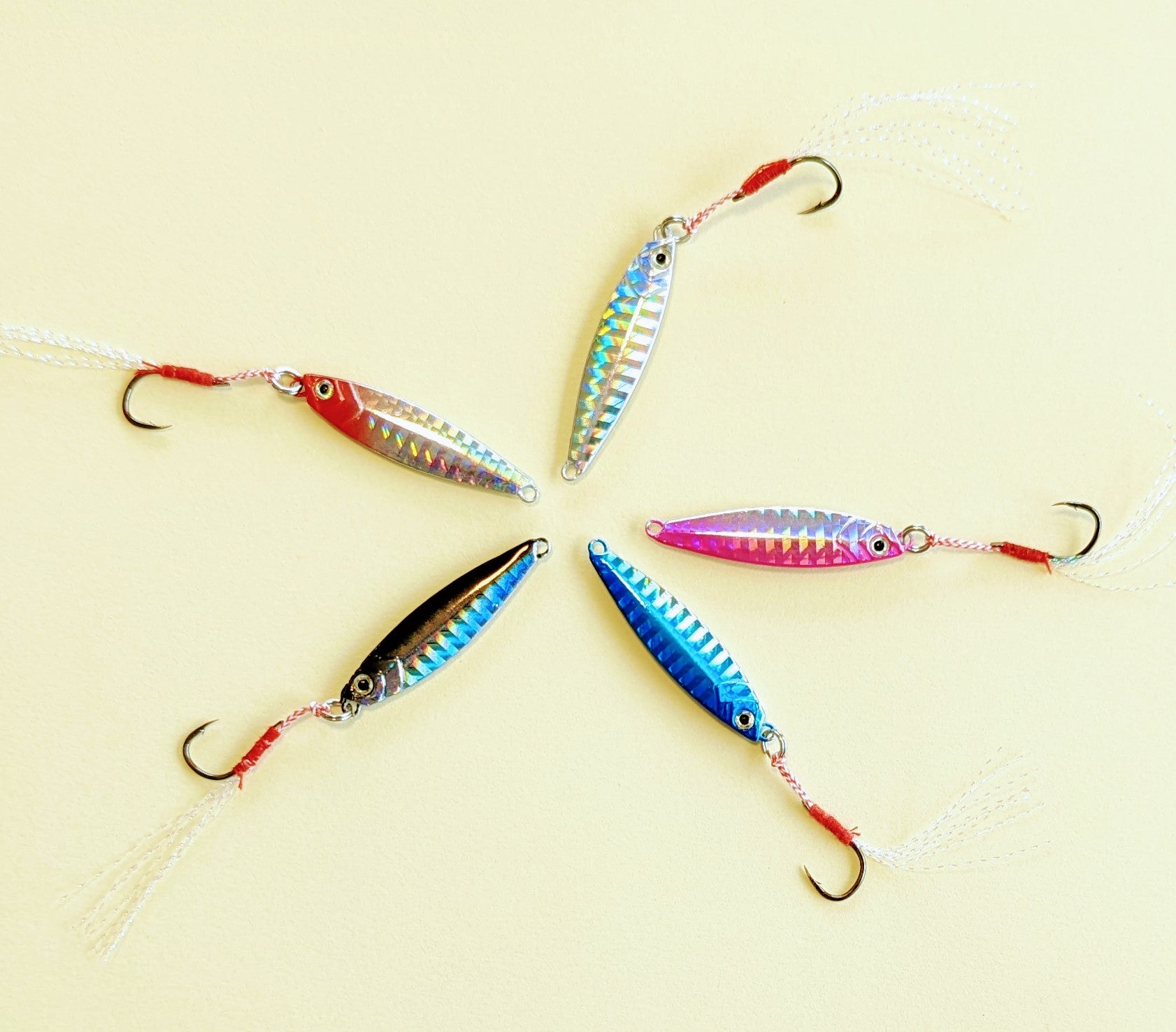
Knife jigs are built for one important job: getting a metal lure down to feeding fish and working it through the strike zone. Their slim profile makes them a practical choice for vertical and offshore jigging around reefs, wrecks, pinnacles and bait schools, where kingfish, amberjack, Samson fish, tuna, mackerel and other predators can be holding well below the boat.
Downrigger Shop has fished metal jigs off Sydney and supplied them to anglers around Australia for many years. The biggest lesson is simple: there is no single best jig weight. Choose the lightest jig that will reliably reach the fish and let you maintain useful contact with it. When current, wind or boat drift starts sweeping the jig away from the target, go heavier.
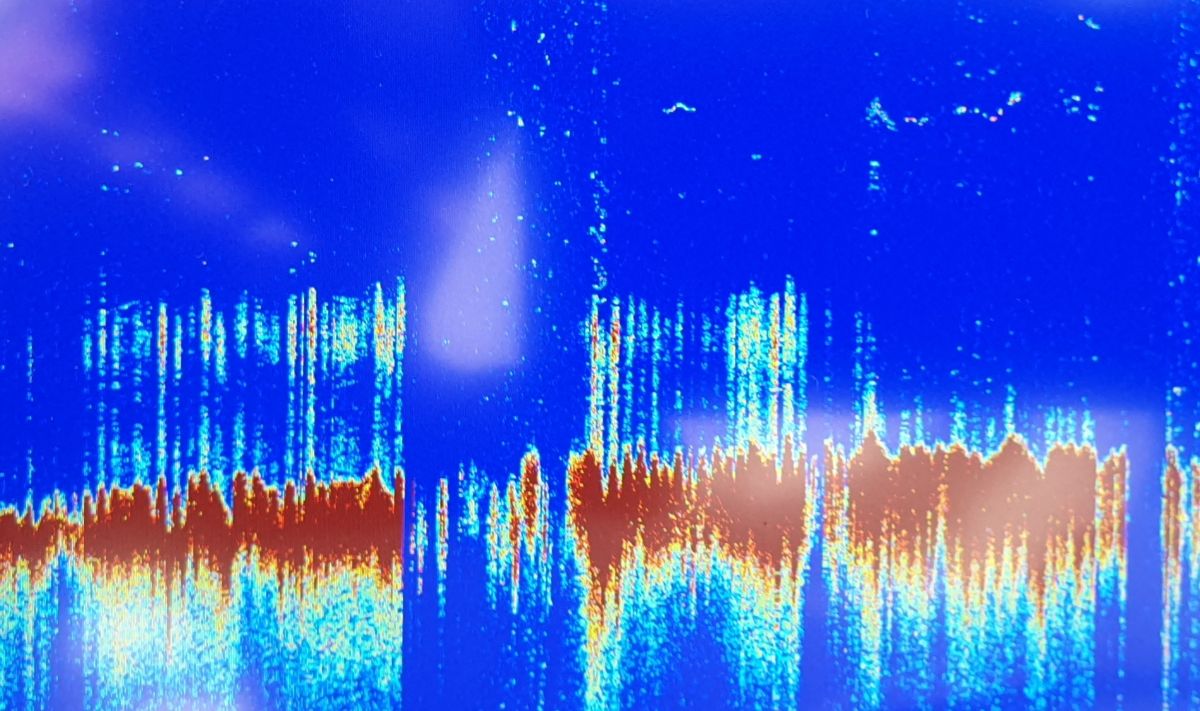
Fish holding around the small pinnacles at Texas Reef during our 2020 jig-weight experiment. When the productive zone is this concentrated, sink rate and line angle matter.
Which Knife Jig Weight Should You Choose?
Depth is only part of the answer. Current speed, wind, boat drift, braid diameter, jig shape and where the fish are sitting in the water column all affect the weight you need.
A 100 g jig on thin braid can sometimes reach the fish more effectively than a much heavier jig on thick line. We saw exactly that at Texas Reef in 2020, when our lighter setup reached the kings faster than the usual 250 g outfit in a 1 to 2 knot current.
Read our complete jig-weight selection guide for the full experiment and a practical way to choose between light and heavy jigs.
Knife jig weight guide: compare 10 g to 250 g+
Use this as a starting point rather than a fixed depth chart. If the jig cannot stay in the productive water, change weight.
| Jig weight | Where it fits | What to watch |
|---|---|---|
| 10 g | Very light lure fishing, shallow water and small bait profiles | Current and drift quickly overpower very light jigs |
| 40 g | Micro jigging, inshore reefs and lighter offshore work | Step up when you lose contact or cannot reach the marks cleanly |
| 100 g | A versatile offshore size for moderate depths when current and drift allow | Much of our Sydney success has been around 40 to 60 metres, but conditions matter more than the number alone |
| 150 to 200 g | A useful step between 100 g and heavy deep-water jigging | Useful when 100 g is being swept away but 250 g is more weight than you need |
| 250 g and heavier | Deeper water, stronger current, faster drift and tight deep-water targets | Match the rod, reel, line and your own stamina to the heavier jig |
Why Braid Diameter Matters
The jig is not the only thing moving through the water. Every metre of line below the boat is exposed to current. Thicker line presents more area to the water and can create more drag, increasing line angle and slowing the system's effective descent. That is why simply adding jig weight does not solve every problem.
Jig shape matters too. Two metal jigs of the same weight can sink and work differently. A slim knife-style profile is designed to cut down through the water efficiently, while broader or more strongly fluttering profiles deliberately create more resistance and movement on the fall.
Match the Jig to the Fish, Structure and Tackle
Knife jigs are especially useful for predators feeding around offshore structure and bait. Kingfish are a major target for us around Sydney, but our jigs have also accounted for Samson fish, amberjack, tuna, Spanish mackerel and a wide range of reef species around Australia.
If fish are suspended, do not automatically send the jig to the bottom. Read the sounder, note the depth of the marks and work the lure through that band. On a small pinnacle or compact bait school, getting the jig into the right depth before the boat drifts past can be more important than colour.
New to jigging? Start with our beginner's guide to jigging for kingfish. If you already know the technique but are unsure which weight to tie on, use our jig-weight selection guide. For a versatile offshore option that is available now, see our 100 g knife jigs.