Blackfish, also known as luderick, are a classic NSW estuary and rock-platform target. They are terrific fish on light tackle, but success depends on presenting the right bait naturally and paying close attention to subtle bites. This guide combines the method I used during a Pittwater wharf session with practical advice for anyone learning how to catch blackfish.

- Fish estuaries, river edges, wharves and rocky areas where luderick feed around weed-covered structure.
- Use light line, a small strong hook and as little weight as conditions allow.
- Green weed and sea cabbage are traditional baits; bread, cunjevoi and marine worms can also take luderick.
- Burley lightly and consistently to bring fish into the feeding zone.
- Use a float or strike indicator to suspend the bait at the right depth and reveal soft bites.
- Do not rush the strike: let the indicator go down decisively, then lift smoothly into the fish.
Blackfish or luderick?
In NSW fishing conversation the names are often used interchangeably. Luderick is the official common name used in current NSW fishing rules, while blackfish remains the familiar name used by generations of anglers. If somebody tells you the blackfish are biting in Pittwater, they are talking about luderick.
They are found around rocky headlands, coastal rivers and estuary systems, where they graze on marine vegetation and other food around structure. Around Sydney, that makes sheltered estuary shorelines, wharves, rock walls and weed-covered edges natural places to start looking.
Best bait for blackfish
Marine weed is the bait most strongly associated with luderick fishing. Green weed and sea cabbage are both proven options, while bread, cunjevoi and marine worms can also take fish. On this Sydney session, I used ribbon weed.

Present the weed naturally
Use enough weed to cover the small hook without creating a bulky lump. The aim is a bait that drifts naturally in the same zone as the burley. If the bait spins, hangs unnaturally or sits well away from feeding fish, change the amount of weed or adjust your depth.
Collecting bait: Bait collection is covered by NSW recreational fishing rules. Check the current NSW fishing rules before taking marine weed because closures, aquatic reserves and protected areas can restrict collection. Buying weed from a bait shop is the simplest alternative when local collection is not allowed.
A simple blackfish fishing rig
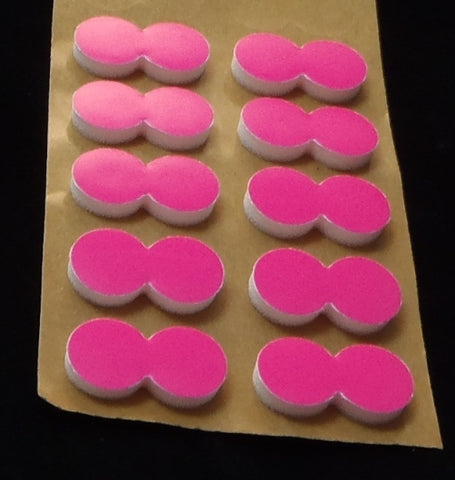
The standard luderick rig uses a float to control bait depth and show the bite. I simplified that idea for a particular three-metre-deep Pittwater wharf. With the wind behind me and no need for a long cast, I used a small fly-fishing strike indicator, 4 lb fluorocarbon and a size 12 ringed Sneck hook.
Basic tackle
- Light, responsive rod and small spinning or centrepin reel.
- Fine main line and a light fluorocarbon leader suited to the structure.
- Small strong hook appropriate to the bait.
- Luderick float or small strike indicator.
- Minimal split-shot or other weight needed to cock the float and reach the feeding depth.
- Landing net for fish hooked on light line.
The important principle is not the exact brand or line rating. It is balance. You want a sensitive rig that lets the bait move naturally, but enough control to keep a hooked luderick away from pylons, rocks and weed.
How to fish for blackfish step by step
1. Find the feeding zone
Look for water where luderick can move between weed-covered structure and a clear feeding lane. During my Pittwater session, the water was about three metres deep and clear enough to watch fish move into the burley trail.
2. Start a light burley trail
Consistency matters more than dumping in large amounts. A simple luderick burley can be made from finely chopped weed mixed through damp sand, with a little bread added if desired. Feed in small, regular amounts so the fish begin feeding without becoming full. Current, tide and wind determine where that trail travels, so position yourself to send the hooked bait through the same zone.
3. Set the bait depth
Adjust the float or indicator until the weed travels at the depth where fish are feeding. If you are getting no touches but can see fish in the burley, small depth changes can be more useful than immediately changing everything else.
4. Watch the float and stay patient
Blackfish bites can begin as small hesitations, sideways movement or a float that slowly sinks. Resist the urge to strike at every twitch. When the float goes under decisively, lift into the fish smoothly and keep steady pressure rather than making a violent strike on very light line.
5. Use the landing net
Luderick fight hard for their size. A landing net lets you keep the leader light without trying to lift a fish vertically by the line at the wharf or rocks.

Best time to catch blackfish
The cooler months are the traditional blackfish season around Sydney estuaries, although luderick can be caught throughout the year. Tide and current often matter more than the month. Look for enough water movement to carry the burley and bait through the feeding zone without making the float race away uncontrollably.
Wind direction also matters when fishing a light float or strike indicator. I chose Taylors Point because the wind was behind me, which made casting easy and helped the rig travel naturally away from the wharf.
My Taylors Point session
The photos on this page came from a low-cost blackfish session I fished in Pittwater. I gathered ribbon weed, chose Taylors Point because the wind would be at my back and used a deliberately simple setup from the public wharf. It was a good demonstration that productive estuary fishing does not require complicated tackle or a boat.
Getting to Taylors Point Wharf
Taylors Point Wharf is at the end of Taylors Point Road, off Hudson Parade in Clareville. Northern Beaches Council lists it as a public recreational wharf with limited parking on Taylors Point Road and Hudson Parade. The wharf was renewed in 2025 with a new ramp and floating pontoon.
Taylors Point Wharf access coordinates: 33°38.096′S, 151°18.357′E (-33.63494, 151.30595). These coordinates identify the public wharf access point, not a specific fishing mark. Keep the pontoon clear for boat users and follow any signs displayed at the wharf.


NSW blackfish size and bag limits
Current NSW rules list luderick with a 27 cm minimum legal length, a daily bag limit of 10 and a possession limit of 20. Check the official NSW saltwater bag and size limits before each trip.
Anglers aged 18 and over generally need to pay the NSW recreational fishing fee and carry proof, unless an exemption applies. This includes bait collecting. You can check exemptions and obtain a licence through Service NSW.
Blackfish fishing questions
What is the best bait for blackfish?
Green weed and sea cabbage are classic luderick baits. Bread, cunjevoi and marine worms can also work. Whichever bait you use, natural presentation and fishing it at the correct depth are critical.
Are blackfish and luderick the same fish?
Yes. In NSW, anglers commonly use the name blackfish, while current fishing rules list the species as luderick.
Do you need a float for blackfish?
A float is the standard and most versatile way to control depth and detect bites. In very shallow, sheltered water where casting distance was unimportant, I successfully substituted a small fly-fishing strike indicator.
Where do you catch blackfish in Sydney?
Look around estuaries, coastal rivers, wharves and rocky structure with marine weed nearby. Pittwater is one example, with Taylors Point providing the setting for the session shown on this page. Follow local signs and check fishing closures and bait-collection rules when choosing a location.
What is the best time of year to catch blackfish?
Winter is the traditional blackfish season around Sydney estuaries, but luderick can be caught throughout the year. Productive current, a natural drift and finding feeding fish are more important than relying on the calendar alone.